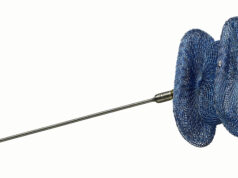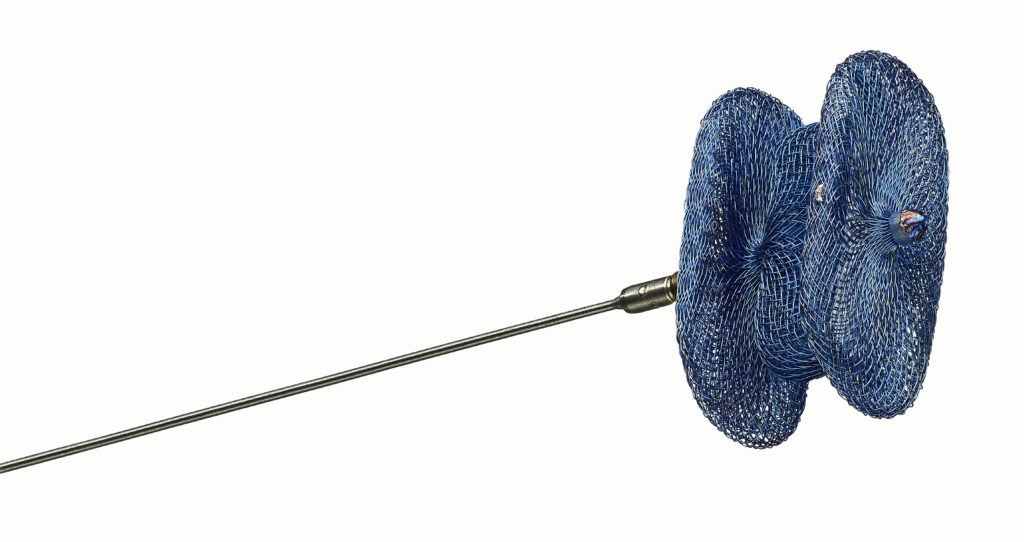
Abbott has announced US Food and Drug Administration (FDA) approval for the Amplatzer Paraclose PVL Occluder, a transcatheter device designed to treat paravalvular leak (PVL)—the backflow of blood around a surgical heart valve.
PVL can lead to symptoms associated with heart failure, including shortness of breath, fatigue and swelling of the legs and feet. It can also result in haemolysis, a condition where red blood cells are damaged, causing severe anaemia.
Implanted through a catheter that is inserted through an artery or vein in the leg, the Amplatzer Paraclose device offers patients a minimally invasive treatment option to address PVL without requiring another surgery.
“The US approval of the Amplatzer Paraclose PVL Occluder addresses a significant treatment gap for people suffering from a paravalvular leak,” said Amar Krishnaswarmy, section head of Invasive & Interventional Cardiology in the Robert and Suzanne Tomisch Department of Cardiovascular Medicine, Sydell and Arnold Miller Family Heart, Vascular & Thoracic Institute at the Cleveland Clinic (Cleveland, USA). “Its unique elliptical shape is specifically designed to effectively close a wide range of PVL shapes and sizes that allows many patients to avoid another cardiac surgery.”
FDA approval for the Amplatzer Paraclose PVL Occluder was supported by positive clinical data from the PARADIGM study, a prospective, multicentre, single-arm study that includes 200 patients, demonstrating that Amplatzer Paraclose provides an effective, minimally invasive alternative to open-heart reoperation.
“Offering this purpose-built device fills a critical unmet need as physicians treating PVL in the USA previously didn’t have an approved alternative to repeat open-heart surgery,” said Sandra Lesenfants, senior vice president of Abbott’s structural heart business. “The Amplatzer Paraclose PVL Occluder builds upon Abbott’s minimally invasive portfolio of structural heart devices that allows people with cardiovascular conditions to be effectively treated without the risk of surgical complications.”