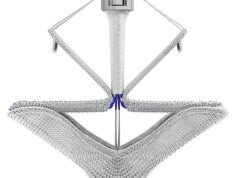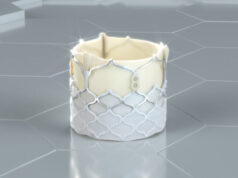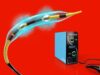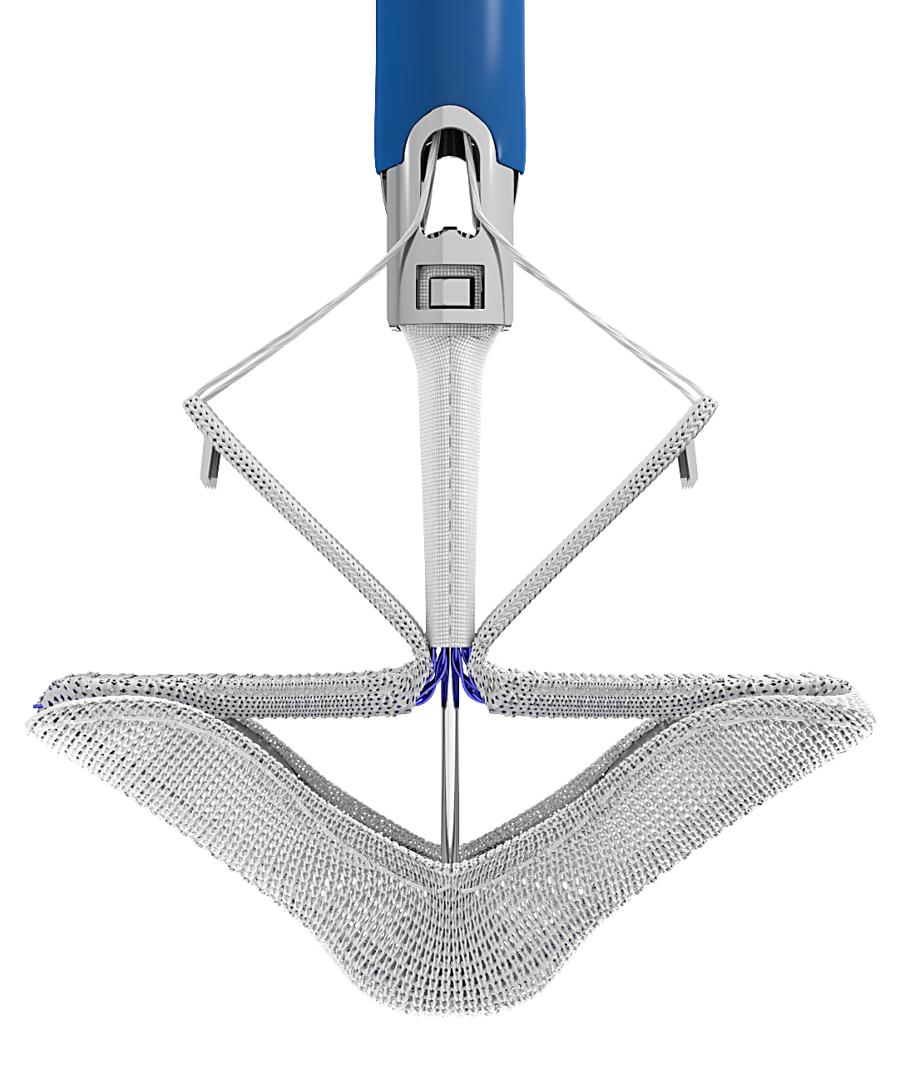
Edwards Lifesciences has announced that the US Food and Drug Administration (FDA) has approved its Pascal Precision system for tricuspid valve repair.
The system is indicated for improving quality of life and functional status in patients with symptomatic severe tricuspid regurgitation (TR) despite optimal medical therapy who are deemed at intermediate or greater risk for surgery and deemed appropriate for transcatheter edge-to-edge tricuspid valve repair (T-TEER) by a multidisciplinary heart team.
“The Pascal system has been a valuable option for treating patients suffering with debilitating symptoms from degenerative mitral regurgitation in the USA for several years, and we’re pleased that this differentiated therapy is now available to tricuspid patients in the USA,” said Daveen Chopra, Edwards’ corporate vice president, transcatheter mitral and tricuspid therapies. “With the addition of the Pascal tricuspid valve repair system to our portfolio of tricuspid transcatheter therapies, Edwards is able to support the treatment of a broader group of tricuspid patients, empowering clinicians to select the most appropriate therapy to treat more patients and support optimal clinical results.”
“The differentiated features of the Pascal system provide many benefits in navigating complex and challenging anatomies, and it is exciting to now have this therapy available for our tricuspid patients in the USA,” said Santiago Garcia, director of The Structural Heart Program, The Christ Hospital Health Network (Cincinnati, USA).
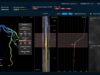
The company also shared that the FDA has approved the Pascal Ace with Capture Clarity system for use in degenerative mitral TEER procedures (M-TEER). The PASCAL Ace with Capture Clarity system has become the first FDA-approved TEER device to include fluoroscopic indicators that provide confirmation when valve leaflets have been grasped, addressing a challenging step in TEER cases and simplifying procedural complexity.
“Building on the Pascal system’s intuitive design, the Capture Clarity indicators provide a novel and easy way of confirming leaflet capture, which is critical and can be challenging. This simplifies placement of the device and increases confidence in our ability to achieve a successful M-TEER outcome,” continued Dr. Garcia.
One-year data from the CLASP IITR pivotal trial studying the Pascal tricuspid system will be presented during late-breaking sessions at the Transcatheter Cardiovascular Therapeutics (TCT) conference (31 October–1 November, San Diego, USA).