VDyne has announced that the first patient has been enrolled and treated in the TRIVITA US investigational device exemption (IDE) pivotal study of the TriNova transcatheter tricuspid valve replacement (TTVR) system. The randomised controlled study will compare TriNova head-to-head with the commercially available Evoque (Edwards Lifesciences) TTVR system.
The prospective, global, multicentre, 1:1 randomised controlled study is designed to evaluate the safety and effectiveness of the TriNova TTVR system in patients with severe or greater tricuspid regurgitation (TR) who are suitable for valve replacement. The study will be conducted in the USA and Europe with up to 70 sites participating.
The first patient was enrolled at the Allina Health Minneapolis Heart Institute at Abbott Northwestern Hospital in Minneapolis, USA, and treated by Konstantinos Voudris, director of the institution’s Center for Valve and Structural Heart Disease.
Mike Buck, chairman and CEO of VDyne, said: “Initiating our TRIVITA US IDE pivotal study represents an important milestone for VDyne following years of innovation by our dedicated team. The trial reflects our continued commitment to advancing treatment options for patients with TR and evaluating TriNova’s potential role in the evolving standard of care. As we rapidly activate new investigational sites and build enrolment momentum in TRIVITA, as well as continue enrolment in the ongoing VISTA US & VISTA Global trials, we are moving closer to our ambition of establishing TriNova as the preferred treatment option for TR patients globally.”
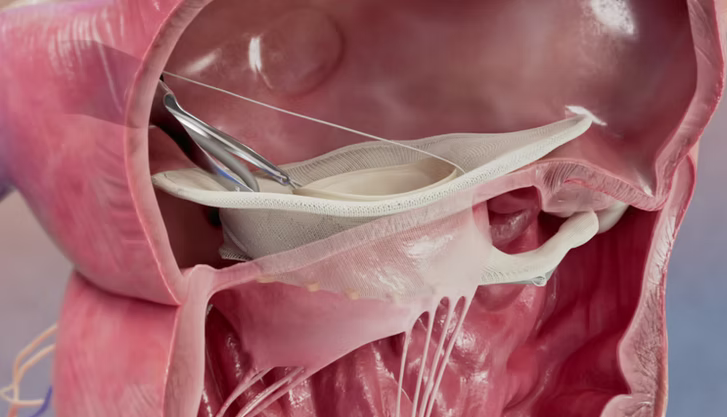
“The benefits and importance of treating TR are quickly evolving as a growing number of patients seek treatment and TriNova represents a significant step forward in TR therapies, an outcome we intend to demonstrate through the US pivotal study,” commented Susheel Kodali (New York Presbyterian Medical Center, New York, USA), study chairman and global co-principal investigator for the TRIVITA pivotal study. “Enrolling the first patient in the US pivotal study brings hope for an improved standard of care. TriNova incorporates next-generation elements designed to offer unique side delivery and compatibility with tricuspid anatomy. The system is designed to operate independently of the leaflets and chordae, ensuring reliable annular anchoring and providing functional evaluation prior to final implantation.”
Nadira Hamid (Minneapolis Heart Institute, Minneapolis, USA), global co-principal investigator of the TRIVITA US pivotal study, added: “The start of the US pivotal study represents an important step forward in developing improved treatment options for patients with tricuspid regurgitation. The data from US/European/Australian/Canadian early feasibility studies (EFS) and the ongoing VISTA trials have been very encouraging and have provided promising preliminary safety and performance data of TriNova. I am looking forward to this next phase of the TriNova clinical programme as we build enrolment momentum in the TRIVITA pivotal trial.”