NOTE: This video is ONLY available to watch in selected countries and geographies

[geoip-content country=”AT, BE, BG, HR, CY, CZ, DK, EE, FI, DE, GR, HU, IE, IT, LV, LT, LU, MT, NL, PL, PT, RO, SK, SI, CH, ES, SE, GB”]
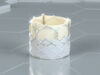
Won-Keun Kim (Bad Nauheim, Germany) spoke to Cardiovascular News about the PROGRESS PVL study—an open-label single-arm prospective observational study of 500 patients which looked to determine the rate of core-lab adjudicated aortic regurgitation and its progression over time with the ACURATE neo device (Boston Scientific).
Kim discussed some of the data highlights from the study, which he presented at this year’s PCR eCourse including the paravalvular leak (PVL) rate of 4.3% moderate or greater PVL at discharge and 2.9% at one year and the “important finding” that there was a significant overall improvement of PVL over time, in a paired analysis (P<0.001). The study also indicated “excellent” haemodynamic performance as well as a low pacemaker rate. It was a core-lab adjusted study which helped to make sure that there was “an objective evaluation of PVL rates”, added Kim.
The results of the study are “reassuring”, said Kim before adding that “with good selection of patients and increasing experience we can really achieve excellent results with this valve.”
Additionally, Kim and colleagues have just published their own experience in 1,000 patients treated with the ACURATE neo valve, concluding, that rates of moderate or greater PVL with ACURATE neo can be reduced to <1% with experience and proper patient selection, careful sizing, and certain procedural aspects.
This video is sponsored by Boston Scientific.
[/geoip-content]