First-look data on the adoption and use of angiography-derived physiology (ADP) in US clinical practice have been shared at the 2026 Cardiovascular Research Technologies (CRT) conference (7-10 March, Washington, DC, USA).
Christopher Chieh Yang Koo from National University Hospital Singapore on behalf of investigators from Smith Center for Outcomes Research in Cardiology at Harvard Medical School (Boston, USA), presented US Medicare outcomes data in a late-breaking clinical trial, with the data simultaneously published in Circulation: Cardiovascular Interventions.
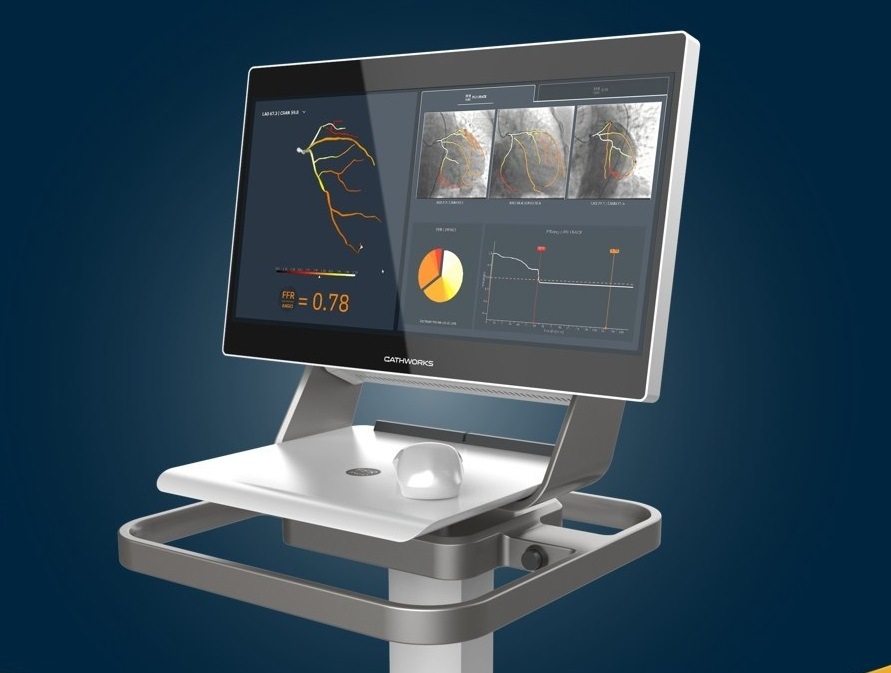
This study highlights the rapidly growing adoption of CathWorks FFRangio in the USA while demonstrating similar clinical outcomes as invasive pressure wire-guided percutaneous coronary intervention (PCI) through two years, CathWorks said in a press release highlighting the data.
Among 466,535 invasive physiology assessments, ADP utilisation grew nearly eightfold between 2019 and 2024. In the PCI group, 1,591 ADP and 4,773 invasive pressure wire matched patients, the cumulative incidence of major adverse cardiovascular events (MACE) was comparable through two years (24.8% vs. 23.5%). In the non-PCI group, 2,532 ADP and 7,596 invasive pressure wire matched patients also had comparable MACE through two years (24.1% vs. 23.9%).
“This first look at contemporary data of the growing adoption of ADP in the USA shows similar clinical outcomes including death, myocardial infarction (MI) and revascularisation through two years when compared with invasive pressure wires. When considering the promising secondary outcomes such as resource utilization advantages and the growing clinical body of evidence, specifically for CathWorks FFRangio, we expect the current trend of adoption for ADP to continue to grow at an even faster rate,” said Eric A Secemsky (Beth Israel Deaconess Medical Center, Boston, USA).
“This large US cohort adds to the strategically planned robust body of clinical evidence for CathWorks FFRangio. Considering these data were predominantly based on an earlier generation of CathWorks FFRangio and taking into account the commercial adoption over the last few years, we are very encouraged that the latest innovations within the CathWorks platform further streamline its integration within the clinical workflow while still providing similar outcomes. CathWorks FFRangio is well positioned to become the new standard of care for physiology, but all ADP technologies are not created equally and do not yield similar outcomes. Each technology should be evaluated based on its own peer-reviewed clinical evidence,” said Ramin Mousavi, CathWorks president & CEO.