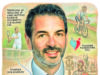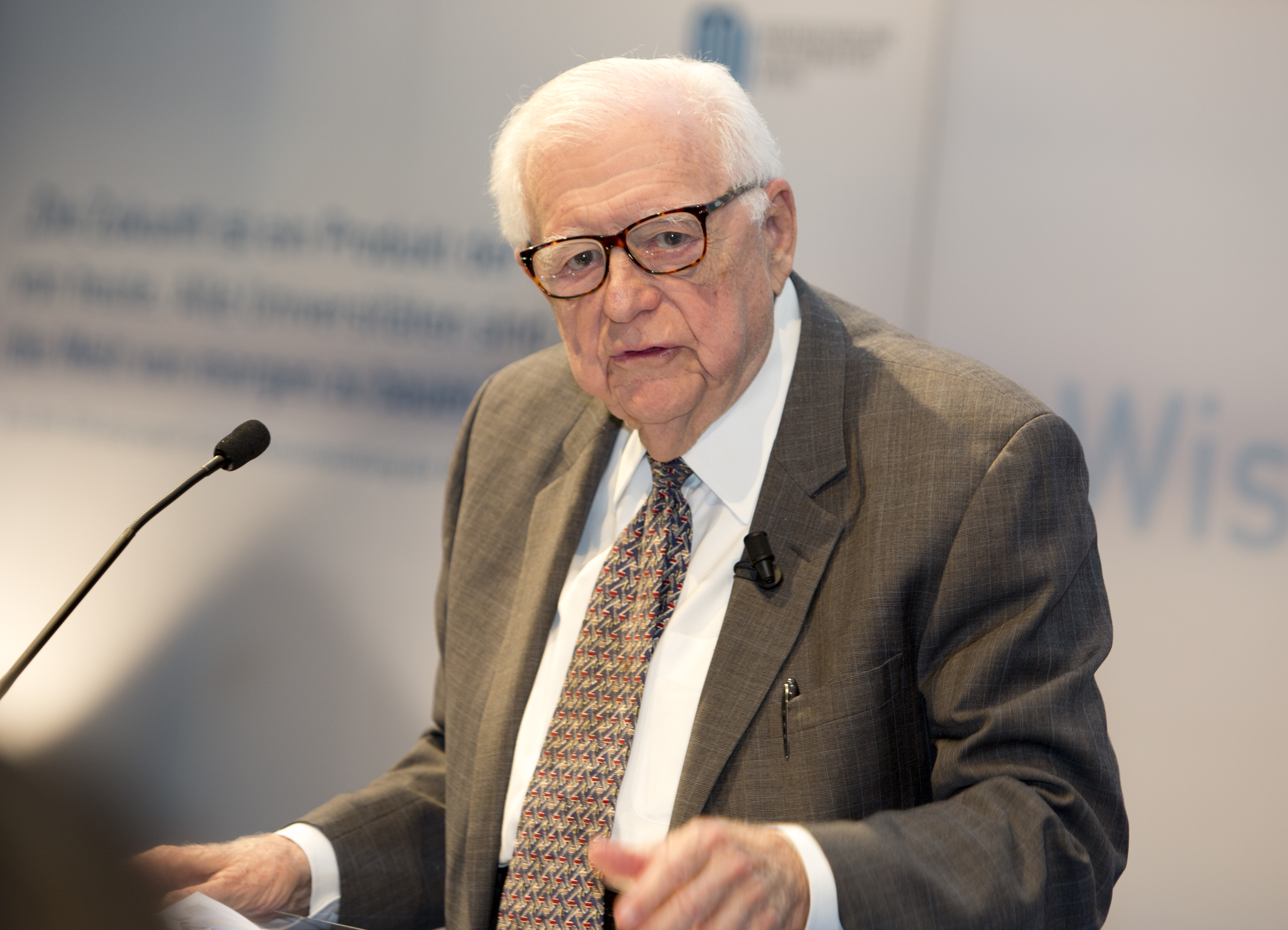
Eugene Braunwald, described as the “father of modern cardiology”, died on 22 April 2026 at the age of 96.
Colleagues have paid tribute to his legacy as a clinician, researcher and educator, describing him as one of the most influential figures in the history of cardiovascular medicine and a generous teacher and mentor.
Born in Vienna, Austria in August 1929, Braunwald fled Nazi persecution as a child, settling in the USA, where he trained in internal medicine and cardiology. His early career took him to the National Institutes of Health (NIH) as well as academic posts at Harvard Medical School (Boston, USA) and Brigham and Women’s Hospital (Boston, USA).
Amongst his landmark work in areas including congestive heart disease, valvular heart disease and coronary artery disease, Braunwald established foundational concepts of human cardiovascular physiology and pathophysiology, including the determinants of myocardial oxygen consumption. He also helped pioneer transseptal left heart catheterisation, advancing the assessment of valvular heart disease at a time when open-heart surgery was just beginning. These insights informed his work on hypertrophic cardiomyopathy, including the recognition of dynamic left ventricular outflow tract obstruction and an early appreciation of its frequent genetic basis.
In heart failure, he described an early neurohumoral abnormality and contributed to the clinical assessment of ventricular performance, including use of the ejection fraction and ventricular systolic dp/dt. He later helped transform acute coronary care by championing the concept that myocardial infarction is a dynamic process in which early, decisive intervention can salvage threatened myocardium.
In 1984 he founded the Thrombolysis in Myocardial Infarction (TIMI) Study Group, which has set a benchmark for large-scale cardiovascular clinical trials and accelerating the translation of evidence into practice.
“The passing of Dr Eugene Braunwald marks the end of an era for cardiovascular medicine. His relentless pursuit of scientific truth transformed the way we understand and treat cardiovascular disease, saving countless lives across the globe,” said Stacey E Rosen Katz (Institute for Women’s Health, New York, USA), volunteer president of the American Heart Association (AHA), which created the Eugene Braunwald Academic Mentorship Award in 1999, honouring his lifelong commitment to advancing science through people as well as ideas. “Beyond his groundbreaking research and definitive textbooks, he was a devoted mentor whose brilliance and humanity inspired generations of clinicians. I was always struck by his genuine warmth and his unwavering interest in the next generation of physicians. The American Heart Association honours his extraordinary life and remains committed to the mission he championed so passionately—a world of longer, healthier lives for all.”
Braunwald’s reputation was acknowledged across the globe, including in his native Europe, where he was awarded the European Society of Cardiology (ESC) Gold Medal in 2004, reflecting “not only a lifetime of landmark discoveries, but also his enduring commitment to raising standards in research, education, and patient care worldwide”, the organisation said in a statement. The Heart Failure Association (HFA) of the ESC also honours Braunwald each year at its annual congress with the HFA Eugene Braunwald Lecture.
“Professor Braunwald was the pioneering cardiologist of his time. His vision and innovation changed the trajectory of cardiovascular medicine,” said Thomas F Lüscher (Royal Brompton and Harefield Hospital Trust, London, UK), ESC president. “He had a rare ability to see what the field needed next, and then to build the science and the evidence that made better care possible; from the way we understand myocardial ischaemia to the way we test and deliver life-saving therapies. Just as importantly, he set a standard for intellectual honesty and mentorship, giving generations of clinicians and researchers the confidence to aim higher.”
A prolific researcher, Braunwald has more than 1,000 publications in peer-reviewed journals. In 2013, a biographer noted Braunwald “had more publications in the top general medical and cardiology journals than any of the more than 42,000 authors” in PubMed, an online database of medical research. He continued to conduct research and published scientific works throughout his career, including work published in April 2026 in the journal Heart Rhythm.
“Eugene Braunwald exemplified what academic medicine can be at its very best: precise thinking, fearless innovation, and an unwavering focus on what improves patients’ lives,” said Filippo Crea (Gemelli Hospital, Rome, Italy), editor-in-chief of the European Heart Journal. “He had a rare ability to connect fundamental biology to clinical decisions, and to do so while elevating everyone around him.”
Despite his undeniable status as one of the greats in the field of cardiovascular medicine, Braunwald was ever humble about his legacy, remarking “maybe I’ve been around longer, but there are a lot of people who have made major contributions to cardiology.”