Relief Cardiovascular has announced positive 90-day results from the prospective, multicentre RELIEF-FIH study, assessing its smart implant designed to haemodynamically monitor and treat congestion in heart failure.
The study met all study endpoints, confirming procedural safety, sustained on-demand renal vein flow, and accuracy of the system’s automatic haemodynamic pressure measurements, a press release from Relief Cardiovascular states. Data were presented by Alex Rothman, professor of cardiology at the University of Sheffield (Sheffield, UK), at the 2026 Technology and Heart Failure Therapeutics (THT) conference (2–4 March, Boston, USA).
“The RELIEF-FIH study provides encouraging early evidence on a novel approach to HF congestion management,” stated Rothman. “By targeting the negative physiological cardiorenal loop, the Relief system modulates venous congestion in response to in vivo haemodynamic data. Early study data demonstrated sustained renal flow enhancement. The ability to actively drive decongestion while supporting renal function may represent a significant advancement over pharmaceutical strategies, which are often constrained by renal impact.”
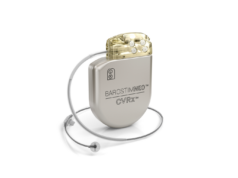
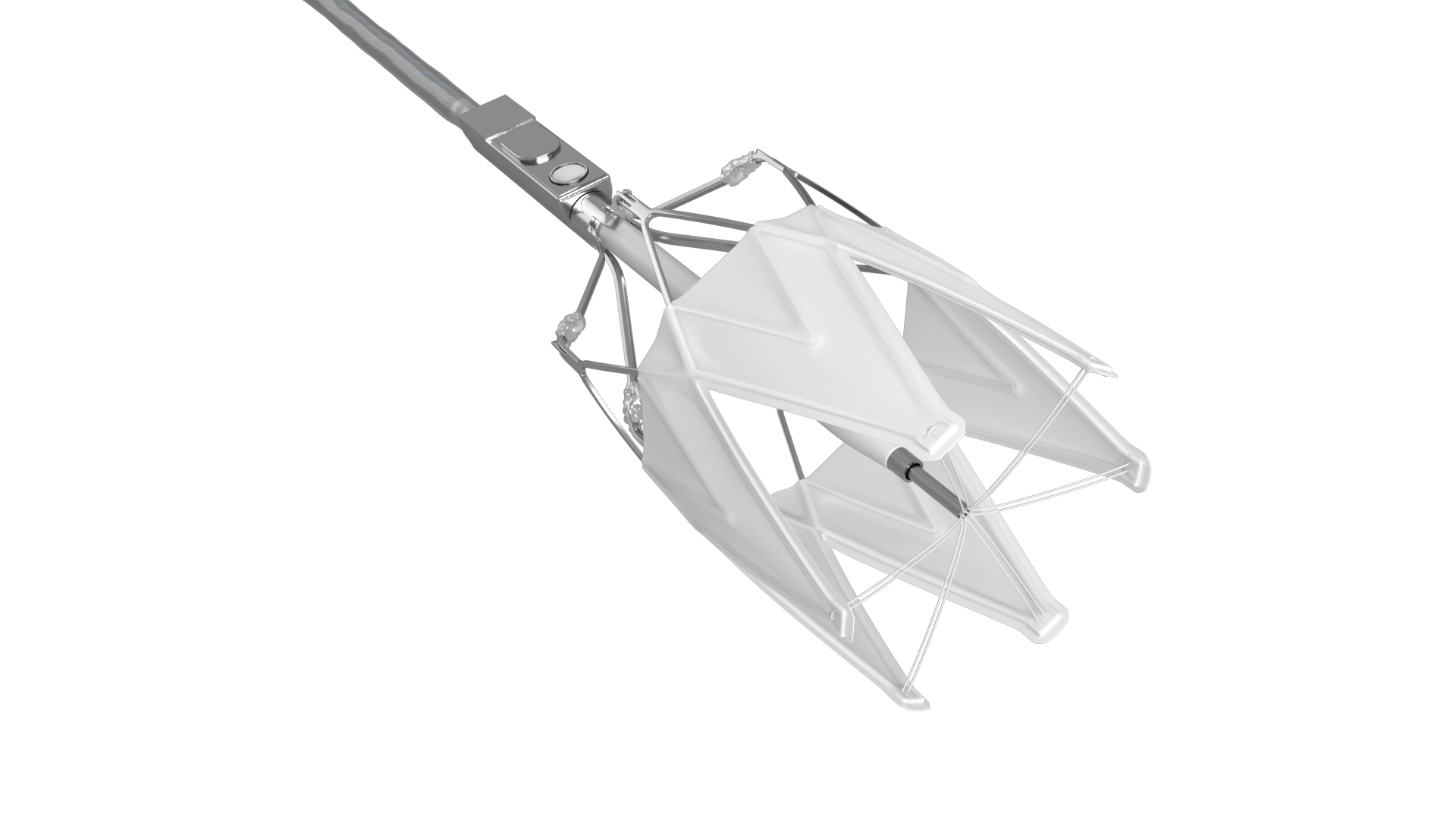
The Relief system is an integrated valve-and-sensor implant positioned in the inferior vena cava below the renal veins to directly modulate venous pressure and increase renal perfusion. The system collects daily venous pressure waveforms and enables programmed valve activation through a secure cloud platform, allowing clinicians to seamlessly deliver hemodynamically guided therapy in the home setting.
Data from the RELIEF-FIH study, which included eight participants across three European sites, demonstrated: 100% procedural success, with a seven-minute average time from introducer insertion to removal post-implant. Investigators report a favourable safety profile at 30 and 90 days, with zero device-related adverse events.
Accurate haemodynamic measurement (R2=0.9) was seen at 90 days as compared to right heart catheterisation data, and sustained on-demand renal flow enhancement and pressure reduction with valve activation were seen at 90 days.
“Sharing our positive FIH data is a significant milestone for the company and validates the promise of our integrated solution to driving decongestion based on venous haemodynamics,” said Alex Cooper, CEO of Relief Cardiovascular. “Our FIH study lays a foundation as we expand our clinical experience to demonstrate the safety, functional, and efficacy benefits of the Relief system to reduce congestion in heart failure.”
Relief Cardiovascular won the Shark Tank innovation prize at the 2025 Transcatheter Cardiovascular Therapeutics (TCT) conference (25–28 October, San Francisco, USA), a competition to identify and showcase groundbreaking concepts in modern cardiovascular medicine. This milestone came shortly after the successful FIH use of the system, performed in the Republic of Georgia. Implantations were carried out by Tamaz Shaburishvili, Levan Sulakvelidze, and Gigi Shaburishvili at Tbilisi Heart and Vascular Center (Tblisi, Georgia).