 HighLife SAS has announced CE mark approval for the HighLife Clarity mitral heart valve for use with the HighLife transcatheter mitral valve replacement (TMVR) system.
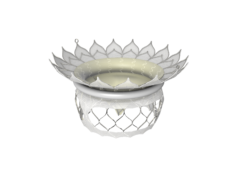
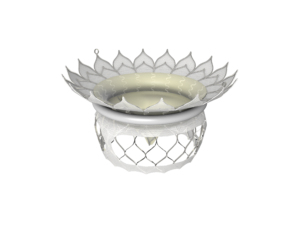
The Clarity valve has been designed to further mitigate left ventricular outflow tract (LVOT) obstruction-related anatomical concerns while preserving HighLife’s transfemoral valve-in-ring architecture.
The approval covers both Clarity valve sizes—the HighLife standard Clarity Valve and the HighLife LAV Clarity valve, maintaining the HighLife TMVR system’s ability to treat a native mitral annulus range of 30–53mm—which, according to the company, is the broadest range of any CE mark–approved TMVR system.
The Clarity valve is approved for use in adult patients with symptomatic moderate-severe or severe mitral valve regurgitation (MR), who are deemed unsuitable for surgical repair or replacement and transcatheter edge-to-edge repair (TEER) by a multidisciplinary heart team.
The CE mark approval of the Clarity valve builds on the initial CE mark approval of the HighLife TMVR system announced in January 2026.
“LVOT obstruction risk is one of the central anatomical concerns in transcatheter mitral valve replacement and an important driver of patient screen failure,” said Michael Joner (Deutsches Herzzentrum München, Munich, Germany). “The Clarity valve was purpose-built to address this concern through an open-cell outflow design that preserves a pathway for blood flow toward the LVOT. In the clinical experience presented to date, we observed no LVOT obstruction at 30 days or one year, including in patients with substantial reverse remodelling and very small neo-LVOT areas.”
The Clarity valve builds on longer-term clinical experience with the HighLife TMVR platform. Four-year follow-up data from the first 35 consecutively treated patients demonstrated durable valve-related performance, including sustained reduction of mitral regurgitation (MR), stable mean valve gradients, no reported clinical valve thrombosis, no reported LVOT obstruction, no reported haemolysis, and no reported percutaneous paravalvular leak (PVL) closure.
Mean HighLife valve gradients remained low and stable through four years, with a reported mean gradient of 4.7mmHg at four-year follow-up. The four-year dataset also showed limited incremental heart failure hospitalisations between two and four years, with no increase in conversion to surgery or reintervention after one year.
“The Clarity valve represents an important evolution of the HighLife TMVR platform,” said Stefan Pilz, chief executive officer of HighLife. “With CE mark approval, we can continue our phased commercial introduction in Europe with a next-generation valve designed around one of the most important barriers to TMVR adoption: anatomical suitability related to LVOT obstruction risk. Our goal remains to bring a differentiated transfemoral mitral valve replacement option to patients with limited treatment options, while maintaining a disciplined, evidence-driven commercial rollout.”
The Clarity valve is also the planned study device for HighLife’s US pivotal trial, which is expected to begin enrolling and treating patients in Q3 2026.
“The Clarity valve is highly relevant to the future of TMVR because it focuses on one of the key challenges physicians face when evaluating patients for mitral valve replacement: whether the anatomy can be treated safely and predictably,” said Thomas Waggoner (Tucson Medical Center, Tucson, USA), co-principal investigator of the HighLife US pivotal trial. “As the study device for the US pivotal trial, Clarity will allow us to evaluate the HighLife platform in a broader clinical population while generating important evidence for patients with severe mitral regurgitation who are not candidates for surgery or repair.”