Results from the HD-PCI study show that a higher-dose unfractionated heparin (UFH) regimen did not improve clinical outcomes compared with a lower-dose strategy during percutaneous coronary intervention (PCI).
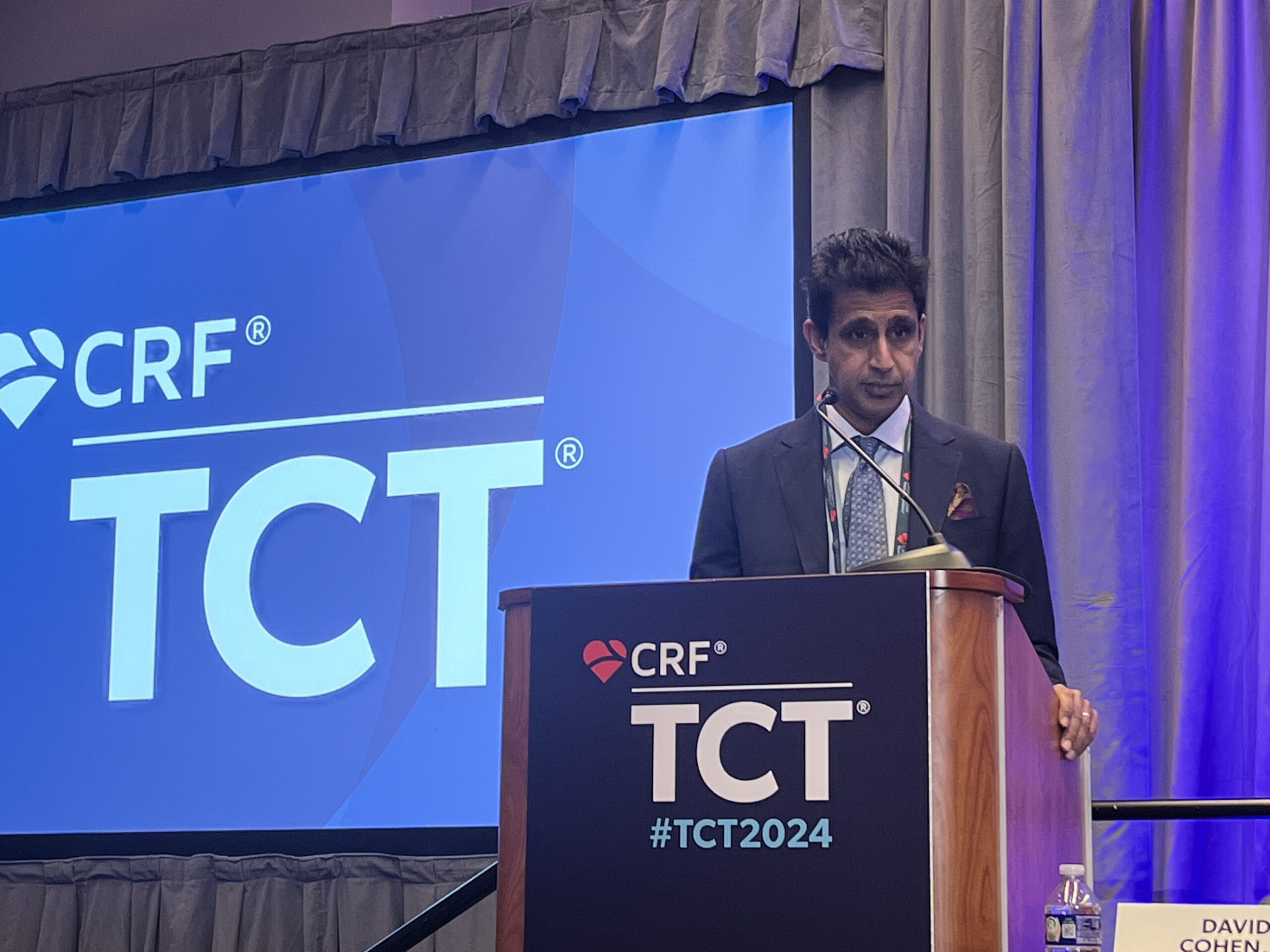
Sanjit Jolly (McMaster University and Hamilton Health Sciences, Hamilton, Canada) presented the findings of the study, a multicentre, randomised, controlled, registry-based, open-label, cluster crossover trial, conducted at 11 PCI centres in Canada, at the Transcatheter Cardiovascular Therapeutics (TCT) conference (31 October–3 November, San Diego, USA).
Current guidelines recommend a broad range of heparin doses, yet high-quality evidence from randomised trials is limited, and thus, the optimal dose of UFH remains uncertain, Jolly detailed. Too much intraprocedural heparin can increase the risk of major bleeding, while too little increases the risk of thrombotic events. The HD-PCI study was designed to determine whether a lower or higher-dose UFH strategy offers the best balance between ischaemic protection and bleeding risk in contemporary elective PCI.
A total of 11,619 patients were enrolled from March 2022 to November 2024, representing 72% of the target sample size. Patient and procedural characteristics were similar between both groups. Hospitals were randomised to implement institutional UFH dosing strategies of either 70U/kg (n=5,778) or 100U/kg (n=5,841) for elective PCI, with crossover between treatment periods. Adult patients undergoing elective PCI with stable coronary artery disease were eligible for inclusion. Chronic total occlusion cases were excluded.
The primary efficacy outcome was defined as the composite of all-cause death, myocardial infarction (MI), or target vessel revascularisation within 30 days of the initial PCI procedure.
The results showed no statistical difference between events in the higher-dose UFH group (n=70) and the lower-dose UFH (n=55) group. For the primary safety outcome of major bleeding, the incidence among the higher-dose (n=58) and lower-dose groups (n=59) were also similar. The key net benefit outcome defined as the composite of all-cause death, MI, target-vessel revascularisation or major bleeding was also not statistically significant between the higher-dose (n=126) and lower-dose (n=113) groups.
“Despite the need to balance ischaemic protection against bleeding risk, randomised evidence to guide the optimal dose of UFH for elective PCI has been limited,” said Jolly. “In HD-PCI, a higher-dose strategy offered no added benefit in contemporary practice. These findings suggest that a lower dose of 70U/kg of heparin is sufficient, with ACT measured at 30 minutes for prolonged procedures.”