Emboline has announced that the US Food and Drug Administration (FDA) has granted 510(k) clearance for the Emboliner embolic protection system for use during transcatheter heart procedures.
Emboliner is indicated for use as an embolic protection device to capture and remove embolic material during transcatheter aortic valve implantation (TAVI).
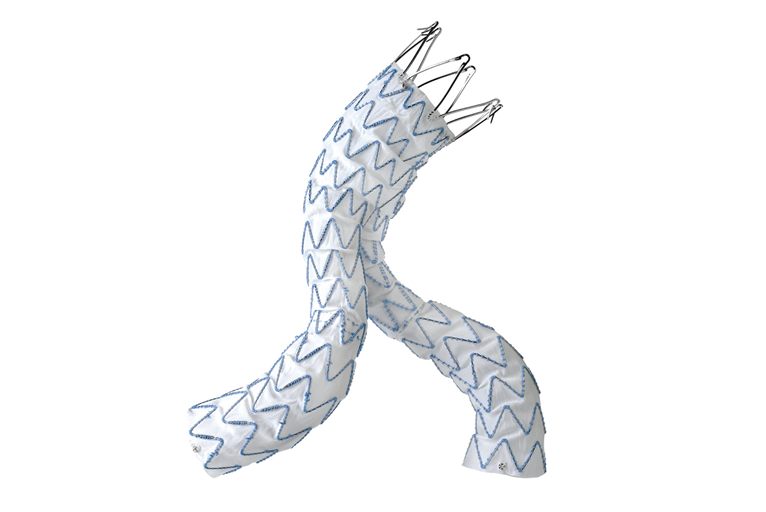
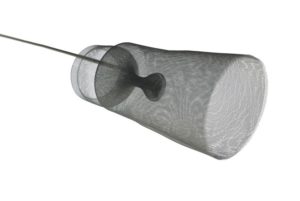
The system is designed to provide comprehensive cerebral and systemic embolic protection during TAVI by capturing and removing embolic debris before it can travel to the brain, kidneys and other vital organs. Unlike embolic protection devices that cover selected cerebral vessels, the Emboliner uses a circumferential dual-layer filter to protect the cerebral and systemic circulation while allowing the TAVI delivery system to pass through its central working lumen, Emboline says in a press release.
FDA clearance is supported by clinical clinical evidence from the prospective, multicentre, randomised PROTECT H2H IDE study comparing Emboliner with the Sentinel cerebral protection system (Boston Scientific) during TAVI. Key secondary endpoints in the study included stroke within 30 days and the number of debris particles larger than 150 microns that the filter captured. Results at 30 days showed that 4.9% of patients whose procedure was performed using the Emboliner device had experienced a primary endpoint event, compared with 5% of those whose procedure was performed using the Sentinel device.
“FDA 510(k) clearance represents a defining moment for Emboline and for the physicians who have supported our vision since the company’s founding,” said Scott Russell, president and CEO of Emboline. “We developed the Emboliner to address important unmet needs with existing embolic protection approaches for TAVI. We are excited to now be able to put the Emboliner in the hands of physicians so that they can offer a more comprehensive embolic protection solution for their patients. We are grateful to the clinical investigators whose partnership and feedback helped us reach this point.”
“The liberation of embolic debris is a universal concern during TAVI, but until now our ability to provide comprehensive protection of both the cerebral and systemic circulation has been limited,” said Tamim Nazif, co-director of the Structural Heart and Valve Center at Columbia University Irving Medical Center (New York, USA) and co-principal investigator of the PROTECT H2H study. “The Emboliner represents an important step forward, providing full brain and body protection, while integrating seamlessly into the TAVI procedure. Having this new capability may give physicians greater confidence when treating patients in whom embolic risk is an important consideration, and I look forward to incorporating this technology into our clinical practice.”
“Emboline was founded on a simple but ambitious idea: that we could do more to protect patients from embolic debris released during TAVI,” said Amir Belson, founder of Emboline. “FDA clearance of the Emboliner represents the culmination of years of innovation, engineering and clinical research to bring that idea to life. I am incredibly proud of the team that has made this possible, and excited to see this technology become available to physicians and patients in the USA.”
Emboline plans a phased commercial launch in the USA beginning later this year, accompanied by physician training, selected centre rollouts, and continued collection of real-world clinical experience.