The first patient has been treated using a novel gene therapy designed to enhance saphenous vein graft (SVG) durability following coronary artery bypass graft (CABG) surgery, part of a clinical trial aiming to reduce the incidence of graft failure and improve the life expectancy of patients undergoing the procedure.
The PROTECT study, a collaboration between NHS Greater Glasgow and the University of Glasgow (both Glasgow, UK), investigates the use of veins grafted with a viral vector carrying a gene for Tissue Inhibitor of Metalloproteinases-3 (TIMP-3), a protein involved in regulating tissue remodelling.
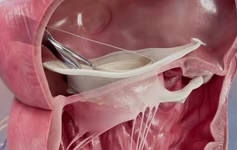
The harvested vein is treated with the viral vector ex vivo immediately following removal from the patient’s leg. Unlike arteries, veins are not physiologically adapted to the high-pressure arterial environment, leading to pathological tissue remodelling, neointimal hyperplasia, and eventual graft occlusion. It is thought that treating them with the TIMP-3 gene therapy will help prevent thickening and blockage of the graft over time, potentially prolonging its effectiveness well beyond the current standard and reducing graft failure.
“Heart bypass surgery is a life-saving treatment for patients with coronary heart disease and millions of people around the world are living longer due to the benefits of bypass surgery,” Colin Berry, professor of cardiology and imaging at the University of Glasgow (Glasgow, UK), who is one of the cardiologists leading the study, comments. “The heart surgeon will typically use one artery and two or more veins as bypass grafts. However, in the years after surgery, the veins commonly narrow and may block leading to angina, heart attacks and heart failure.
“Our team has developed a new approach to prevent vein graft failure. The new gene therapy has been developed during more than two decades of teamwork involving many experts working in collaboration. We are delighted to be leading this new study which is designed to clarify the feasibility and potential benefits of this new therapy for patients undergoing heart bypass surgery.”
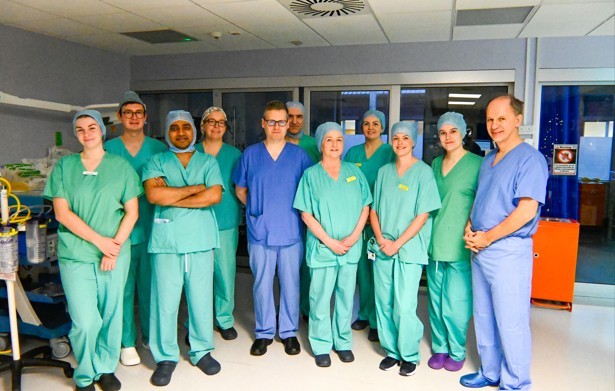
A 73-year-old male with a history of myocardial infarction (MI) and a previous percutaneous coronary intervention (PCI) was the first to receive the treatment when he underwent a CABG procedure at the Golden Jubilee University National Hospital (Clydebank, UK).
Investigators described the patient’s postoperative recovery as “unremarkable”, and said that at early follow-up, the patient reported significant improvements in functional capacity, exercise tolerance, and quality of life compared to his status following previous interventions.
Nawwar Al-Attar, a consultant cardiac surgeon and honorary clinical associate professor at the University of Glasgow, the study’s principal investigator, told Cardiovascular News that the study is noteworthy on a number of levels. Firstly, he said, considering the wider gene therapy landscape, noting that barely a decade ago virtually no gene therapies were approved.
“Currently, those that are available treat rare or very rare genetic diseases. While this is significant, our goal is to apply this approach to much more common conditions. Currently, there are no approved gene therapies for cardiovascular disease.”
Furthermore, he added, the simplicity of the approach is important. “We designed it to be performed in cardiac theatre with access to the tissue. Our aim is to create a safe, effective and affordable therapy.”
The PROTECT study is sponsored by NHS Greater Glasgow and Clyde’s Research and Innovation directorate in partnership with the University of Glasgow and in collaboration with NHS Golden Jubilee and the University of Edinburgh and marks a major milestone in cardiovascular research.
The clinical trial is supported by the Medical Research Council and British Heart Foundation (BHF), and has received additional support from the Cell and Gene Therapy Catapult, MVLS Translational Research Initiatives Wellcome Translational Partnership Award and Northern Alliance Advanced Therapy Treatment Centre, as well as the universities of Bristol and Cardiff.