Nawwar Al-Attar (Glasgow, UK) writes for Cardiovascular News about a potential new frontier in cardiovascular surgery, with the advent of gene therapy as a potential solution to vein graft failure.
The landscape of cardiovascular surgery is currently witnessing a potential paradigm shift. While coronary artery bypass graft (CABG) surgery remains a gold-standard, life-saving intervention, it faces a persistent biological hurdle: the inherent weakness of the saphenous vein graft (SVG).
Currently, many surgeons use one artery and several veins harvested from the leg to bypass stenosed coronary arteries. However, veins are physiologically designed for low-pressure environments. When transplanted into the high-pressure arterial system, they undergo a pathological tissue remodelling. This leads to neointimal hyperplasia which eventually causes graft failure and occlusion. Current treatments focus largely on systemic management, such as antiplatelet therapy and statins, to keep the blood flowing. Certain preservation solutions like Duragraft (Marizyme) have been studied. While helpful, these treatments do not address the fundamental structural failure of the vein itself. As a result, many grafts eventually fail, leading to recurrent angina, heart attacks, or the need for iterative revascularisation.
A biological reinforcement: The TIMP-3 strategy
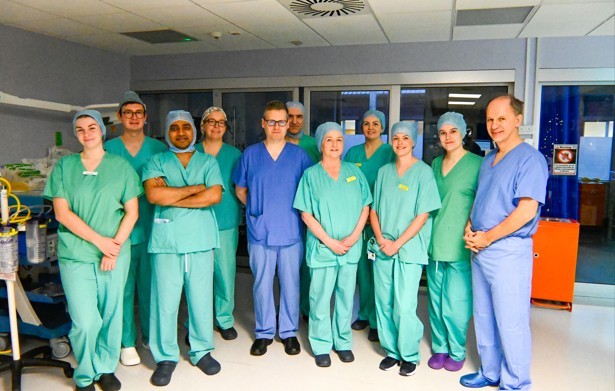
The PROTECT study, a collaboration between the University of Glasgow and NHS Greater Glasgow, introduces a fundamentally different strategy. Instead of just managing the blood inside the graft, this approach aims to enhance the biology of the graft itself. By using a viral vector to deliver the gene for tissue inhibitor of metalloproteinases-3 (TIMP-3) directly into the harvested vein ex vivo, scientists are essentially “reprogramming” the vein to survive in an arterial environment.
But what is the mechanism of action that make this a potentially effective option? TIMP-3 is a protein that regulates tissue remodeling. By increasing TIMP-3 levels, the therapy prevents the aggressive wall thickening that leads to blockage. The treatment is performed in the operating theatre immediately after the vein is harvested, ensuring it is protected before it enters the high-pressure system.
Long-term implications
The successful treatment of the first patients who have shown significant improvements in exercise tolerance and quality of life marks a milestone. If this gene therapy proves successful in wider trials, the implications are profound—we could see a drastic reduction in graft failure rates, potentially making a single CABG procedure a lifelong solution for more patients.
Most current gene therapies target rare genetic disorders. This study represents a move toward using gene therapy for common cardiovascular conditions, which affect millions worldwide.
As the therapy is designed to be “safe, effective, and affordable” and performed within the standard surgical workflow, it could become a routine part of cardiac care without requiring specialised, external facilities.
By moving from systemic maintenance to localised genetic enhancement, the PROTECT study offers a glimpse into a future where the body’s own vessels are bio-engineered to be more resilient, ultimately extending the lives and healthspans of heart disease patients globally.
Nawwar Al-Attar is a consultant cardiac surgeon at the Golden Jubilee National Hospital (Glasgow, UK) and an honorary clinical associate professor at the University of Glasgow (Glasgow, UK).