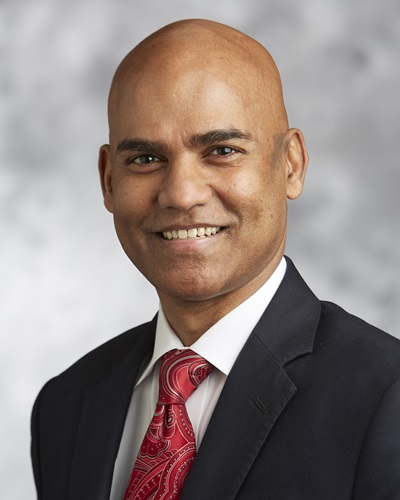
Frailty has become a decisive barrier to treatment for patients with advanced heart failure. Many hospital systems remain poorly equipped, and poorly incentivised, to keep these patients active during prolonged inpatient stays. In this article, Radha Gopalan (Phoenix, USA) argues that bringing structured prehab and rehab into the hospital is not only clinically necessary, but achievable and cost-effective, drawing on experience pioneering an inpatient frailty optimisation programme in his institution.
Why can’t we bring the gym to the patients? That’s the thought that sprang to mind as I had to advise yet another patient and her family that her frailty level—worsened during her hospital stay—now disqualified her from transplant surgery. We lose patients for many reasons, but it’s especially heartbreaking when preventable frailty becomes the barrier to life-saving surgery.
Prehabilitation services focused on increasing physical activity and improving frailty and nutrition prior to major surgery have been repeatedly shown to improve patients’ outcomes.1,2 Yet, candidates for heart transplant and mechanical circulatory support (MCS) often spend weeks in a sedentary state in the hospital awaiting their procedures. Moreover, because of Medicare policies, their first several weeks of post-procedure recovery for many involve therapies designed around activities of daily living; they typically wait weeks for any physical activity to become part of their rehabilitation.
Hospitals are not designed to provide opportunities for physical activity. Short of walking corridors, climbing stairwells or exercising in their rooms, patients can do very little to stay physically active and avoid becoming frailer. Given their condition, many transplant and MCS candidates may worry about engaging in unsupervised physical activity.
For health system administrators, liability concerns as well as staffing and other resource limitations present understandable challenges to meeting patients’ prehab and rehab needs in the hospital even as the evidence points to the significant outcomes advantages. Of course, there is also the cost issue; insurers do not reimburse health systems for inpatient prehab or rehab services.
At Banner–University Medical Center Phoenix (Phoenix, USA), we could no longer simply watch patients get weaker and miss opportunities for life-saving surgeries because of such obstacles. That’s why we pioneered a new inpatient prehab and rehab programme, demonstrating that innovation and compassion can overcome barriers and put patients’ needs and outcomes ahead of conventional limitations.
Establishing a model for inpatient prehab and rehab
We launched our Inpatient Frailty Optimization programme as a pilot in 2023. To our knowledge, there is only one other inpatient programme like this in the USA. After two years with no safety issues or adverse events, we believe that it offers a model for advanced heart failure centres seeking to improve outcomes and reduce preventable mortality. We also believe the programme demonstrates how inpatient prehab and rehab can be cost-effective despite lack of reimbursement.
We initiated the Inpatient Frailty Optimization programme with US$50,000 from the Banner Health Foundation’s At the Heart of Health Fund. Primary costs were the 0.5 full-time equivalent hours per day provided by an exercise physiologist and the purchase of exercise equipment that fits the needs of patients with advanced heart failure. We developed clear criteria for inclusion and exclusion, as well as protocols for emergency response, among other guiding policies.
The goals of the programme are:
- Increasing functional capacity and decreasing frailty measured by metabolic equivalents (METs) and Fried Frailty.
- Reducing morbidity and mortality in patients with advanced heart failure.
- Improving quality of life measured by Kansas City Cardiomyopathy Questionnaire.
- Improving candidacy for advanced therapies.
- Improving discharge readiness, reducing length of stay and readmissions, and decreasing transfers to inpatient acute rehab or skilled nursing facility.
Efficacy and safety of inpatient services
Banner–University Medical Center Phoenix’s Inpatient Frailty Optimization programme demonstrated that inpatient prehab and rehab can be provided safely, enhance patients’ readiness for surgery, and improve their post-procedure outcomes.
Over a two-year period (November 2023–September 2025), 41 patients with advanced heart failure participated, including patients awaiting either heart transplant or MCS implant, including total artificial heart (TAH) implant. Key outcomes include:
- 44% (18/41) increased METs; 50% of these individuals progressed from “light” to “moderate” activity tolerance.
- 54% (22/41) improved frailty level; many others avoided a decrease in frailty.
- 77% (24/31) of those who attended multiple sessions improved METs, frailty or both.
- 59% of pre-transplant patients met listing criteria after improvements.
- 100% (4/4) TAH patients who participated before and after implantation maintained or improved frailty.
The financial case for inpatient prehab and rehab
Given the known advantages of prehab and rehab for better patient outcomes, providing these inpatient services would be an obvious way for health systems to boost quality of care were it not for lack of reimbursement.
Donated funds made our programme initiation possible, a resource that may not be available to all health systems. However, our pilot programme showed that improved patient outcomes and shorter lengths of stay following procedures can generate savings that help offset the unreimbursed programme costs.
The prehabilitation and frailty optimisation services increased patients’ ability to proceed to transplant or implant. Moreover, we received high patient satisfaction feedback, which can translate into improved quality scores, referrals and possibly future donations.
In short, we have shown that inpatient frailty optimisation services produce better outcomes, are safe, and can be cost-effective. Given the positive results, we are now looking to expand our programme into our intensive care units. This reflects my personal philosophy, shared by others at Banner–University Medicine, that patients can be self-empowered to build wellbeing to help them fight off illness, aid in recovery, and experience the best possible health every day.
Radha Gopalan is director of the Center for Advanced Heart Failure, Transplant and Mechanical Assist Devices, Banner–University Medical Center Phoenix (Phoenix, USA).