The US Federal Trade Commission (FTC) has moved to block Edwards Lifesciences’ proposed acquisition of its competitor transcatheter aortic valve implantation (TAVI) device developer JenaValve due to concerns that the acquisition would limit access to devices for the treatment of aortic regurgitation (AR).
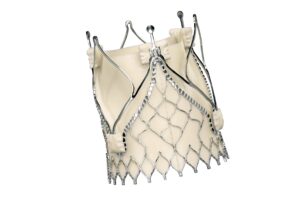
JenaValve is the developer of the Trilogy TAVI system, a transfemoral TAVI system which carries a CE mark for the treatment of AR and aortic stenosis (AS). The device is seen as meeting an unmet need for the treatment of AR, particularly among patients who are deemed to be at too high risk for surgery.
In July 2024 Edwards had announced plans to acquire the company, one of several acquisitions to expand its structural heart division, following the sale of its Critical Care product group to BD in June of the same year. This was a part of a raft of acquisitions that also saw Edwards’ complete a deal for JC Medical, which included the intellectual property and commercial rights to the J-Valve, another TAVI system designed for the treatment of AR.
According to FTC the proposed US$945 million acquisition of JenaValve would combine the only two companies with ongoing clinical trials in the USA for a TAVI-AR device, threatening to reduce competition in the market and likely resulting in reduced innovation, diminished product quality, and potentially increased prices for consumers.
“Edwards’ attempt to buy the US market for TAVI-AR devices would eliminate the head-to-head competition that has spurred innovation for lifesaving artificial heart valves,” said Daniel Guarnera, director of the FTC’s Bureau of Competition. “The FTC is taking action to stop this anticompetitive deal and ensure that JenaValve and Edwards’ JC Medical subsidiary continue competing to innovate, expand treatment eligibility, and keep down costs. Americans deserve all the benefits that come from competition between medical device makers, just as they do in other markets.”
The competition concerns caused by Edwards’ dual acquisition strategy are predicated on Edwards owning both JenaValve and JC Medical simultaneously, but Edwards has elected to attempt to buy JenaValve while retaining its ownership of JC Medical, the FTC statements adds. According to the complaint, Edwards has not been willing to engage on divesting JC Medical to resolve the competition concerns with the proposed JenaValve acquisition.
The Commission vote to issue an administrative complaint and authorise staff to seek a temporary restraining order and a preliminary injunction was 3–0. The federal court complaint and request for preliminary relief was filed in the US District Court for the District of Columbia to halt the transaction pending an administrative proceeding.
In a statement issued following the FTC’s public challenge to the deal, Edwards strongly pushed back against the claims and maintained its intention to continue with the acquisition.
“Edwards disagrees with FTC’s decision and believes it will limit the availability of an important treatment option for patients suffering from AR,” the company stated. “The company further believes the acquisition of JenaValve will accelerate the availability, adoption and continued innovation of a life-saving treatment for patients suffering from AR.”
The company added that it intends to continue to pursue regulatory approval of the acquisition and estimates a final determination by the end of Q1 2026.